Use RPM to Strengthen Care, Reduce Readmissions, and Improve Outcomes
By now, healthcare systems have heard quite a bit about remote patient monitoring and how it works. While there are still plenty of hospitals that have yet to adopt a program, the remote patient monitoring benefits available through modern technology have become impossible to overlook. With the right program, RPM can improve continuity of care, reduce costly readmissions, and support the clinical teams who manage chronically ill populations.
The key is understanding what RPM can realistically do for your hospital, how it directly impacts patient outcomes, and why you should consider TriageLogic’s turnkey solution.
The Shift Toward Proactive, Data-Driven Care
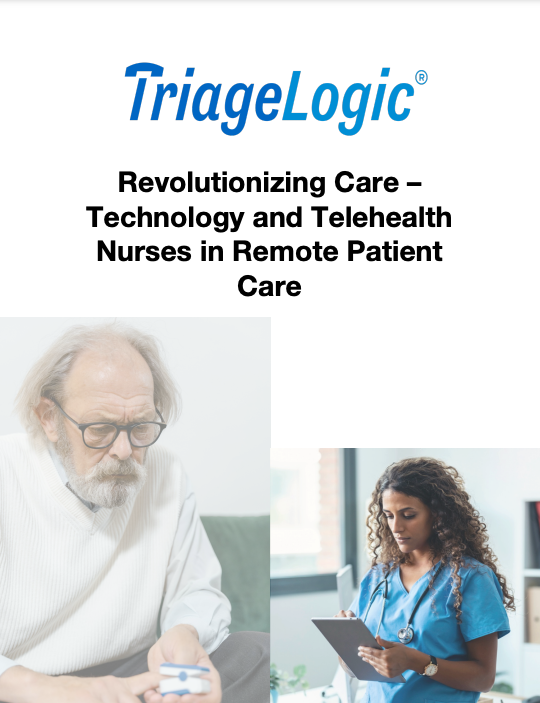
For years, hospitals could only offer reactive care by treating patients after symptoms became urgent. Instead of waiting for a crisis, clinicians can now use RPM to monitor patients daily through connected devices like blood pressure cuffs, glucose meters, and pulse oximeters.
These devices stream real-time biometric data to monitoring dashboards, allowing nurses and providers to detect subtle health changes before they become visible or dangerous. For patients, this leads to better safety, reduced complications, and greater confidence in their care teams’ efforts to help them.
The ability to shift from crisis mode to early intervention is arguably the most important benefit of RPM.
Fewer Readmissions and Stronger Clinical Outcomes
Chronic conditions like congestive heart failure, COPD, diabetes, and hypertension are among the biggest drivers of readmissions in U.S. hospitals. In many cases, deterioration happens slowly and quietly, which means that patients may not recognize the warning signs until it’s too late.
RPM closes this gap. When patient vitals are recorded and shared each day, clinicians can spot red-flag patterns like:
- Rising weight in CHF patients.
- Decreasing oxygen saturation in COPD.
- Elevated blood pressure.
- Concerning glucose trends.
Timely intervention prevents unnecessary ER visits, reduces 30-day readmission rates, and improves long-term health. It can also be used to promote value-based care and avoid CMS penalties.
Better Efficiency for Nurses and Less Burnout
Clinicians cannot monitor hundreds of patients manually, but RPM can. Continuous, automated data collection makes it easier for clinicians to prioritize high-risk patients and spend less time on manual check-ins.
If you’re wondering who on your team will have the time to check all of those vitals, consider outsourcing this work to triage nurses. Those in our medical call center are trained on how to review this data and alert both patients and providers when necessary. In fact, they’re part of our turnkey RPM program.
Higher Patient Engagement and Better Self-Management
Patients who feel supported between appointments are more engaged in their overall care. RPM encourages healthier lifestyles by:
- Alerting patients to abnormal vitals.
- Keeping patients connected to their care teams.
- Reminding patients about their medications and care plans.
All of this leads to greater patient satisfaction, strengthens the patient-provider relationship, and supports better long-term outcomes.
Interoperability: Making Data Useful, Not Overwhelming
Hospital administrators often have to manage systems that don’t communicate well with one another. That experience may make them hesitant to adopt an RPM program.
Thankfully, remote patient monitoring does have the capacity to integrate with existing EHRs and workflows. It can also provide secure, HIPAA-compliant data transmission and the ability to upload vitals directly to each patient’s chart — again, based on the solution you choose.
Financial ROI: Savings and New Revenue Streams
Although it may seem like a large upfront investment, remote patient monitoring is actually a revenue generator for hospital systems because it can:
- Lead to fewer unnecessary ER visits.
- Reduce readmission penalties.
- Promote efficient staffing and resource allocation.
- Meet requirements for CMS reimbursements.
When billed correctly, RPM is a cost-effective solution that improves care while benefiting your operations.
TriageLogic’s Turnkey RPM Solution
Hospitals may delay RPM implementation because of staffing, training, or technical barriers. That’s why we’ve developed a fully managed remote patient monitoring solution that works on your behalf.
Here’s what it includes:
- Devices shipped directly to your patients
- Monitoring by experienced U.S.-based clinical teams
- Prioritized alerts delivered to your care team
- Secure documentation sent straight to your EHR
- Support for chronic care, post-discharge, and transitional populations
You won’t need to hire additional staff, manage daily monitoring, or expand your operations to support this solution. We handle the heavy lifting so that your clinicians can focus on complex care while still leveraging round-the-clock patient oversight.
Why Hospitals Shouldn’t Dismiss RPM
For administrators who are navigating tight resources and high expectations, we think remote patient monitoring benefits are definitely worth considering.
If you’re ready to strengthen patient care while lightening your team’s workload, we’re here to help! Contact us today to discuss any questions or to schedule a demo of our RPM program.
About TriageLogic
TriageLogic is a URAC-accredited, physician-led provider of top-quality nurse telehealth technology, remote patient monitoring, and medical call center solutions. Founded in 2006, the TriageLogic Group now serves more than 22,000 physicians and covers over 42 million lives nationwide.