What Is Chronic Care Remote Monitoring?
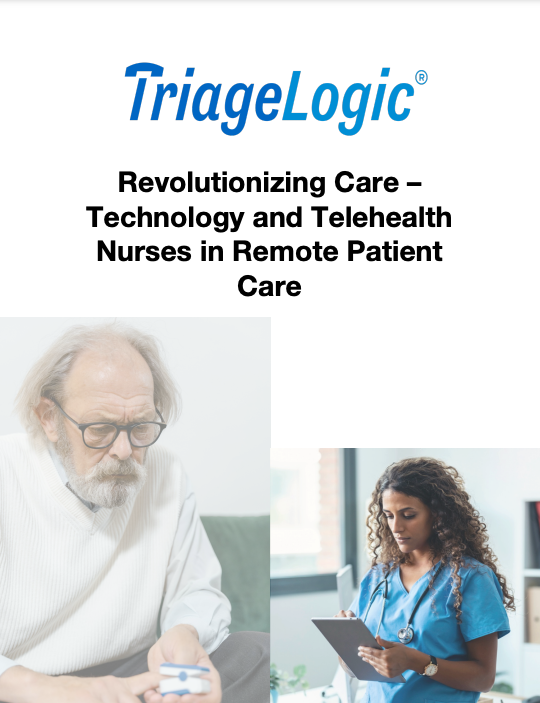
Chronic care remote monitoring refers to the ongoing use of remote patient monitoring systems and clinical oversight to track and manage long-term health conditions outside of traditional care settings. This approach allows healthcare providers to observe patient trends over time and intervene earlier when conditions begin to change.
Rather than depending solely on periodic visits, chronic care remote monitoring supports continuous engagement between patients and care teams.
Why Chronic Conditions Require Continuous Monitoring
Chronic conditions often develop gradually and can worsen between scheduled appointments. Without consistent monitoring, subtle changes in a patient’s health may go unnoticed until they require more intensive care.
Common chronic conditions that benefit from remote monitoring include:
- Hypertension
- Diabetes
- Heart disease
- Chronic respiratory diseases
How Chronic Care Remote Monitoring Works
Remote monitoring combines technology with clinical oversight to create a structured care model.
A typical workflow includes:
- Patients using connected devices to track vitals daily
- Data transmitting to a centralized monitoring platform
- Clinical staff reviewing trends over time
- Escalation protocols identifying when interventions are needed
This process allows providers to maintain visibility into patient health while supporting proactive care decisions.
The Role of Clinical Oversight in Long-Term Care
While devices collect data, clinical judgment is necessary to interpret and act on that data appropriately.
Clinical teams are responsible for:
- Reviewing ongoing patient vitals
- Identifying trends that may indicate heightened risk
- Communicating with patients when negative changes occur
- Escalating cases to providers when necessary
This arrangement supports consistent, responsive care.
Supporting Patient Stability and Preventing Complications
Chronic care remote monitoring is meant to stabilize patient conditions and prevent further complications.
While this often occurs through early intervention, remote monitoring can also encourage patients to take more active roles in their own health and adhere to their treatment plans.
Patients are also more likely to experience fewer hospital admissions and readmissions, as well as improved long-term health.
The Connection Between Monitoring and Symptom Evaluation
Chronic care remote monitoring is most effective when combined with some form of symptom evaluation, such as through telephone nurse triage.
While monitoring systems track objective data, triage services evaluate how patients are feeling and whether their symptoms require immediate attention.
Together, these services allow healthcare organizations to:
- Combine recorded vitals with patient-reported symptoms
- Identify concerns more accurately
- Determine appropriate next steps
- Improve care coordination
Improving Patient Engagement Over Time
Remote monitoring is designed to encourage patients to participate in their own care by offering:
- Greater awareness of their condition
- More consistent communication with their provider
- Increased confidence in managing their health at home
When patients stay engaged, care outcomes tend to improve.
How Chronic Care Monitoring Fits Into Healthcare Workflows
Chronic care remote monitoring can be one part of a broader care delivery system that includes intake, triage, and clinical follow-up.
In a coordinated system, a patient can:
- Self-report their initial symptoms through automated intake
- Enroll in a chronic care monitoring program
- Have vitals recorded and reviewed by clinical staff
- Receive follow-up support from a triage nurse if those vitals indicate a potential concern
Limitations of Chronic Care Remote Monitoring
While chronic care remote monitoring offers significant benefits, its effectiveness may be limited by:
- A lack of patient participation
- Improper use and maintenance of monitoring devices
- Inconsistent clinical review
- Difficulty integrating with existing workflows and systems
This is why fully evaluating a monitoring service and its clinical support model prior to implementation is so important.
Frequently Asked Questions
What is chronic care remote monitoring?
It is the use of remote monitoring systems and clinical oversight to manage long-term health conditions outside of traditional care settings.
Which patients benefit most from chronic care monitoring?
Patients managing hypertension, diabetes, heart disease, and respiratory illnesses benefit greatly from ongoing monitoring.
Does chronic care remote monitoring replace in-person care?
No. It supports care between visits by providing continuous visibility into patient health, but does not replace physical examinations.
How does monitoring improve long-term outcomes?
It allows providers to detect changes earlier, intervene sooner, and manage conditions more effectively over time.
How does chronic care monitoring work with triage services?
Monitoring tracks patient data, while triage evaluates symptoms and determines when intervention is needed.