What Are Remote Patient Monitoring Services?
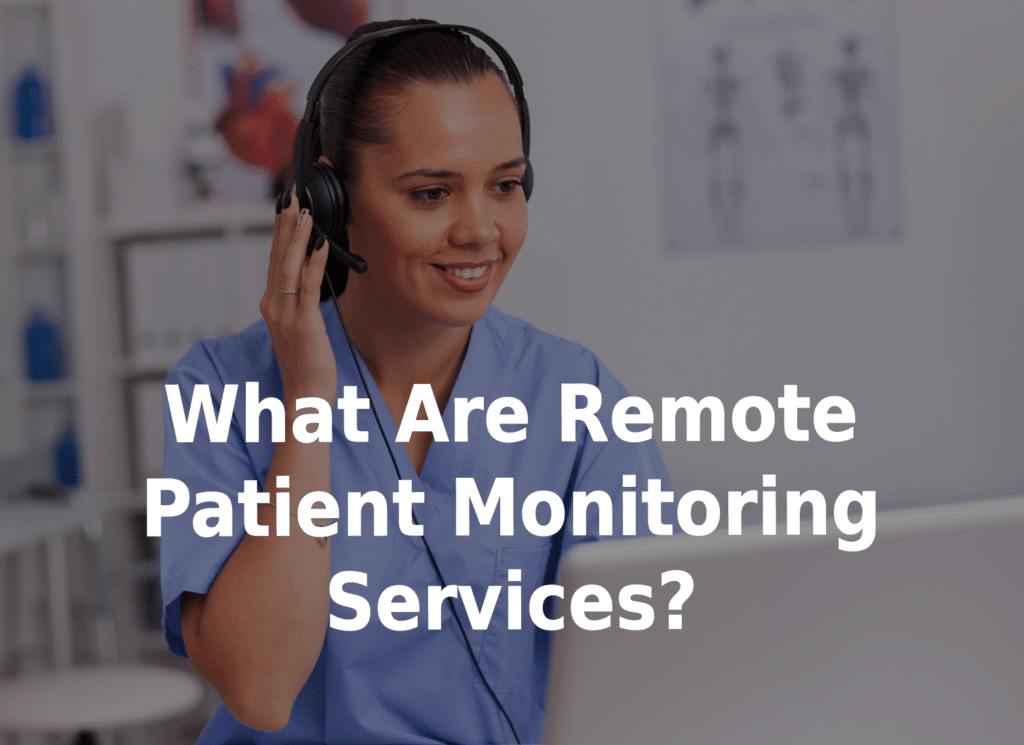
Remote patient monitoring services provide the clinical support that makes RPM systems effective. While monitoring devices collect patient data, these services are responsible for making sure that data is reviewed, interpreted, and acted on appropriately.
Through a combination of nurse oversight, care coordination, and structured workflows, remote patient monitoring services help healthcare organizations manage patient health between visits while maintaining clinical accountability.
Why RPM Services Are Needed
Remote patient monitoring systems generate a steady stream of patient data, but data alone does not improve outcomes. Without clinical oversight, important changes in a patient’s condition may go unnoticed or unaddressed.
Remote patient monitoring services bridge this gap by:
- Reviewing incoming patient data regularly
- Identifying trends that require attention
- Escalating concerns based on clinical protocols
- Communicating with patients as needed
This ensures that monitoring leads to timely, meaningful clinical action.
How Remote Patient Monitoring Services Work
Remote patient monitoring services integrate clinical review into the RPM workflow.
A typical service model includes:
- Continuous or scheduled review of patient data
- Clinical staff evaluating trends and abnormalities
- Established escalation pathways for concerning findings
- Communication with patients for follow-up or guidance
These services maintain visibility into patient health so appropriate actions can be taken when needed. In many practices, triage nurses can oversee the review process.
Supporting Chronic Condition Management
RPM services are particularly valuable for patients with chronic conditions that require continuous observation.
Examples include:
- Hypertension
- Diabetes
- Heart disease
- Respiratory conditions
By tracking trends over time and responding to changes early, clinical teams can stabilize conditions, reduce complications, and improve long-term outcomes.
Improving Patient Engagement and Adherence
Remote patient monitoring services encourage patients to stay engaged in their care by providing consistent touchpoints and feedback.
This can lead to:
- Better adherence to care plans
- Increased patient awareness of their condition
- More timely communication with care teams
- Greater confidence in managing health at home
Patients who feel supported between visits are more likely to be active in their own care.
Reducing Physician Workload While Maintaining Oversight
One of the key benefits of RPM services is their ability to support physicians without increasing workload, provided clinical staff—either internal or outsourced—are available to review data consistently.
When utilized correctly, these services reduce administrative burden, filter and prioritize patient needs, escalate urgent cases, and allow providers more time to focus on diagnosis and treatment.
RPM can also be integrated with other solutions for broader care delivery. For example, in a coordinated workflow, patients may submit symptoms through intake automation, have their health monitored through RPM services, and receive follow-up from triage nurses when their vitals indicate potential concern.
Limitations of Remote Patient Monitoring Services
While remote patient monitoring services provide significant value, they require careful implementation.
Considerations include:
- How well patients understand their devices and can maintain them
- How accurate devices are, depending on the vendor
- How consistent clinicians are at reviewing RPM data
- How well an RPM service can integrate with existing workflows and systems
These services are most effective when supported by clear protocols and experienced clinical teams.
Frequently Asked Questions
What are remote patient monitoring services?
They are clinical support services that review, interpret, and act on data collected through remote patient monitoring systems.
Who provides RPM services?
Do RPM services replace in-person care?
No. They support care between visits by providing continuous monitoring and follow-up, but do not replace physical examinations.
How do RPM services improve patient outcomes?
They enable early detection of changes in patient health, allowing for faster intervention and better long-term management.
What is the difference between RPM systems and services?
RPM systems collect patient data, while RPM services ensure that the data is reviewed and acted upon by clinical teams.