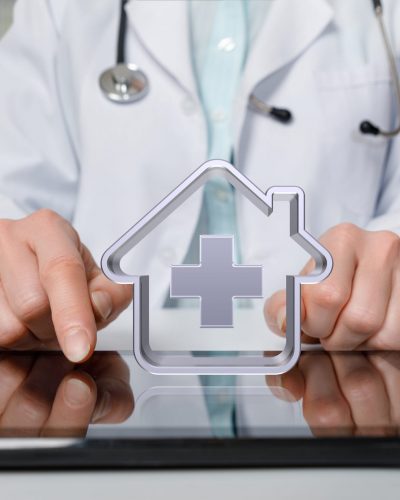


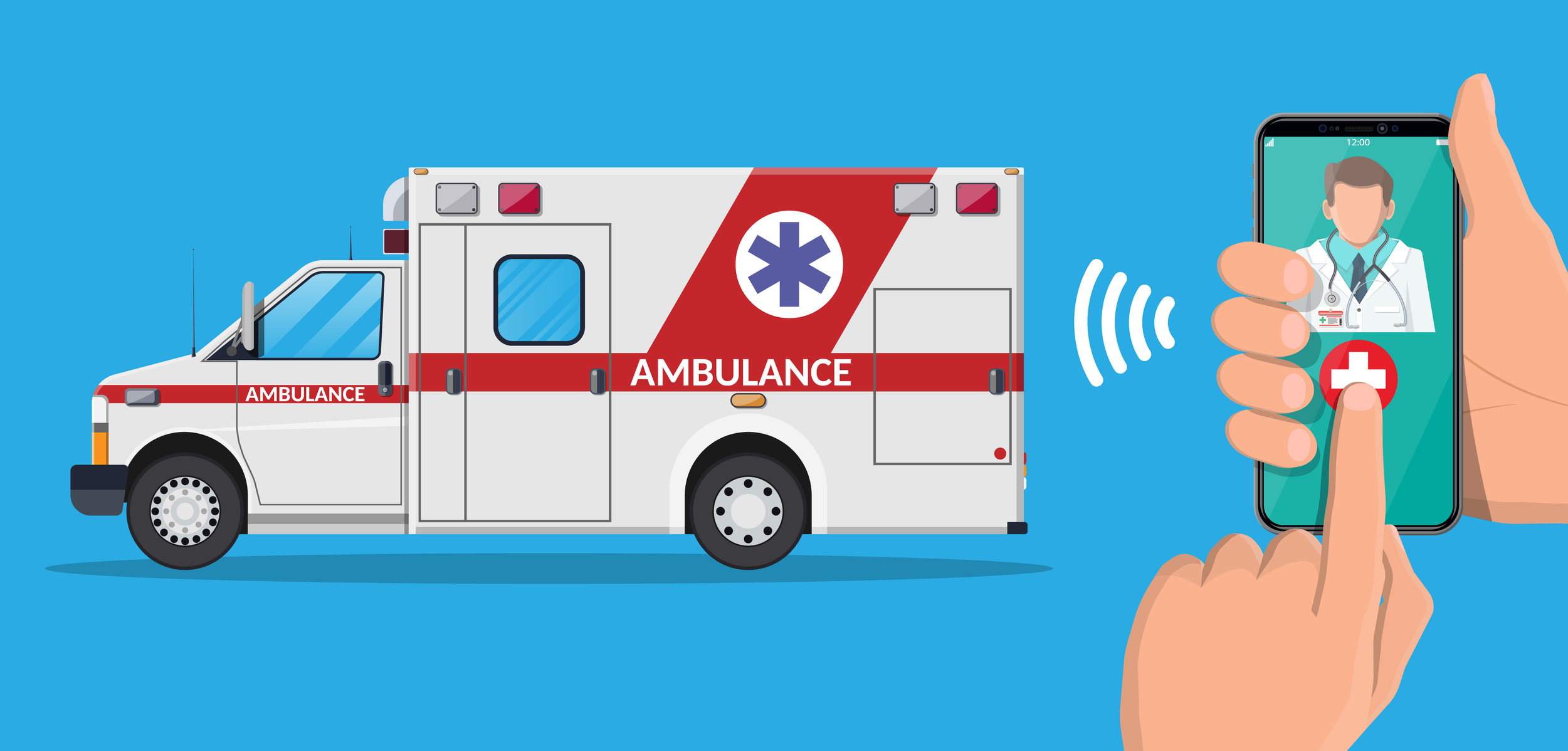
An icon representing home health care hovers above a tablet that a doctor uses to review remote patient monitoring data.

Remote Patient Monitoring Benefits That Hospitals Can’t Ignore

A nurse reviews a checklist on a clipboard.

Five Signs Your Practice Needs After Hours Nurse Triage Services

Triage software is represented by a miniature stethoscope and clipboard on top of a computer keyboard.

From Patient Calls to Care Coordination: How Triage Software Transforms Clinical Workflows

A person sleeps in a Santa hat, representing the importance of rest around the holidays as one of many healthy habits.

Healthy Habits for the Holidays: Updated Tips From TriageLogic

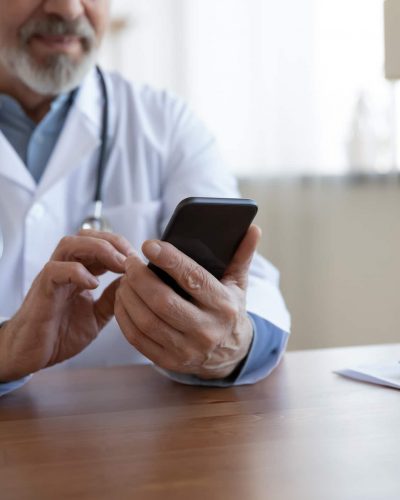
A physician sitting at a desk uses a secure messaging system on his smartphone to communicate with a triage nurse.

Implementing Secure Messaging in Nurse Triage Systems

After-hours nurse triage services represented by a nurse answering a phone in the evening for a medical practice.

Why After Hours Nurse Triage Services Are Essential for Modern Medical Practices

Demographics of Patients with Urgent Symptoms in a Nurse Triage Center

We studied data from 230,000 telephone calls from our nurse triage call center from January-
October 2020. Nurses ensured that all callers received standardized, high-quality care by using
guided symptom-based protocols written by Doctors Schmitt and Thompson. During each call
we collected information about the patient’s demographics, the triage protocol used by the nurse,
and the patient’s disposition. Patients were also asked whether or not they were planning to go to
the emergency room (ER) prior to calling a nurse. In this article we focus on the callers that
ended up in the ER and their demographics.
Read More »

Nurse Triage Explains COVID-19 Vaccine Protocols

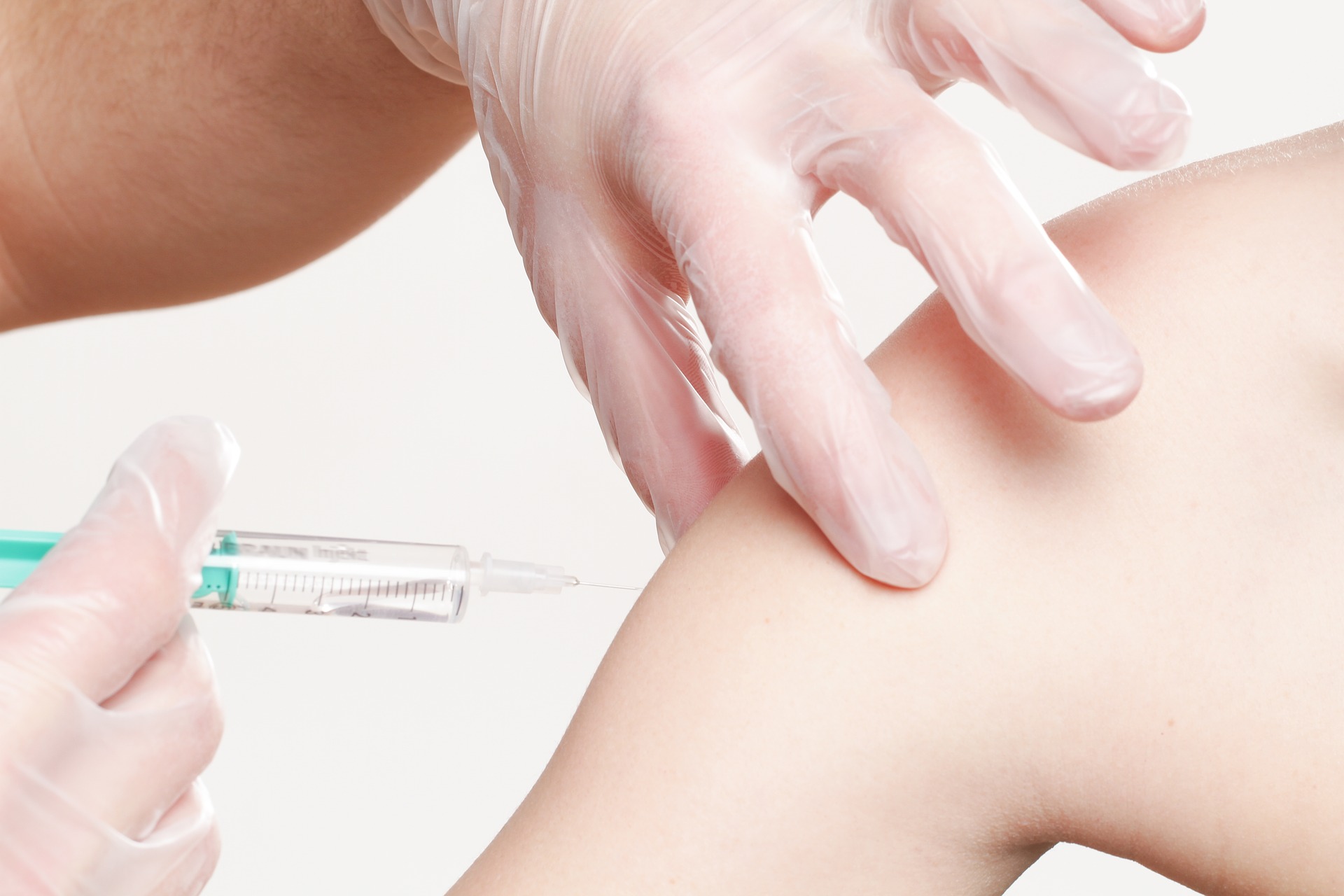
The COVID-19 vaccine is here, and a new virus with a new vaccine means new protocols for triage nurses. Triage nurses play an important role in times like these; many patients have questions about the vaccine and if what they are feeling after receiving it is normal. A couple of COVID-19 vaccines require two shots spread apart to be effective, though there are new vaccines which only requires one. In this article, we’ll tell you about the new triage COVID-19 vaccine Schmitt-Thompson vaccine protocols, and what kind of outcomes to expect.

Read More »

Mental Health and Nurse Triage Calls During COVID-19

According to the Kaiser Family Foundation, 53% of American adults estimated that the COVID pandemic had a negative effect on their mental health. Looking at the data that we’ve collected during the pandemic from our nurse triage service, we begin to see a clear picture. In this article, we deep dive into the data that show us how COVID cases have impacted collective mental health.

Read More »
Remote Nurse Triage

Care News – Spring 2021 – Lessons From the Pandemic, Triaging Tips, and Covid Data E-Book

In this issue of Care News, you’ll hear from our CEO Dr. Charu Raheja about the lessons we’ve learned from COVID and how we plan to move forward. You will also hear from our Medical Director Dr. Ravi Raheja about the exciting new world of remote patient monitoring. Along with a few words from our new partnership with Analog Devices, you will be updated on important information in the remote nurse triage world!

Read More »
nurse triage covid

Patient Calls to Nurse Triage During COVID-19

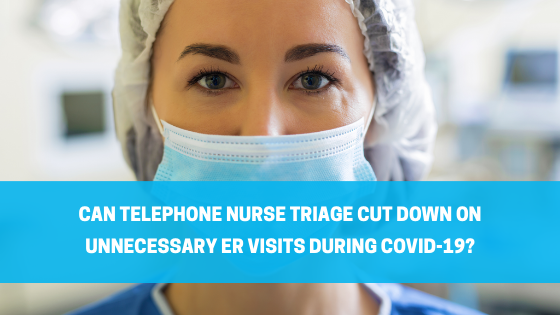
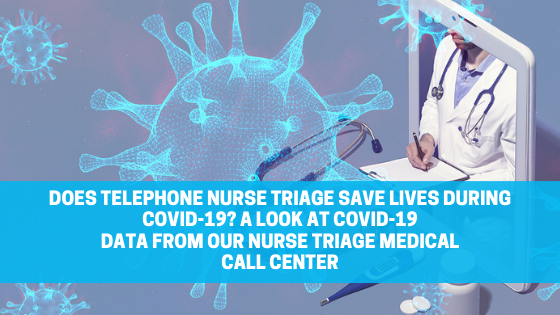
The COVID-19 pandemic has increased telemedicine visits as patients and doctors try to stop the spread of infection. The CDC reports that telemedicine visits increased by more than 50% during the first months of the pandemic. Triage nurses can work closely with doctors to provide a safe and effective way to direct patients to the appropriate level of care and help save lives.

Read More »

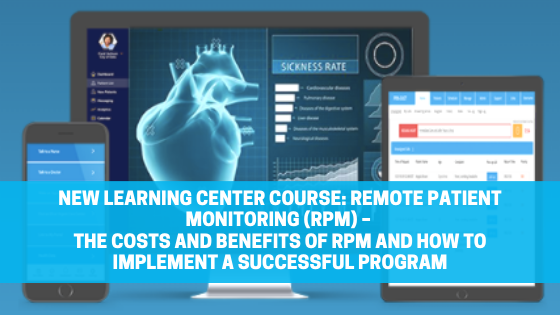
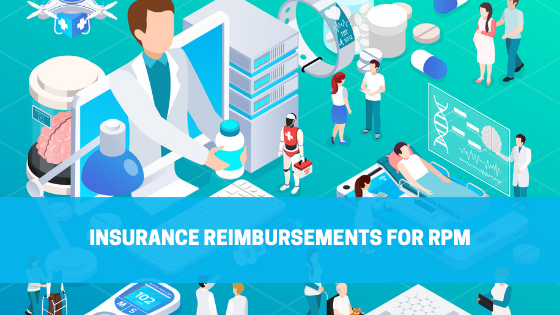
New Learning Center Course: Remote Patient Monitoring (RPM) – The Costs and Benefits of RPM and How to Implement a Successful Program

Triage Logic has a new triage nurse learning center course available on remote patient monitoring (RPM). The course explores the following: a. What is RPM; b. the benefits of an RPM system to both the patient and the provider; and c. how can doctor offices implement a program with minimum staff time by using both clinical and non-clinical contact centers.

Read More »