What Are Rural Healthcare Telehealth Solutions?
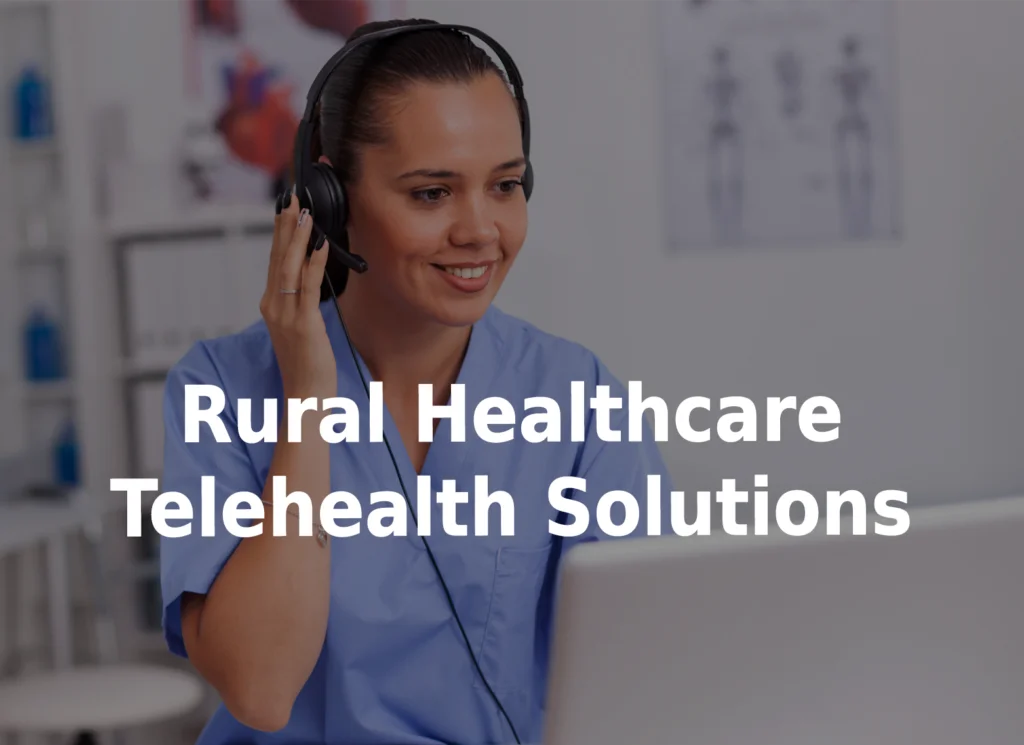
Rural healthcare telehealth solutions are digital technologies that deliver remote care and enable patients to access medical services without traveling long distances. These solutions are designed for areas where provider availability, transportation, and infrastructure can limit treatment.
By connecting patients and providers virtually, telehealth extends the reach of healthcare organizations and maintains consistent standards of care.
Why Access to Care Is Challenging in Rural Areas
Rural communities often face structural challenges that make accessing health care more difficult:
- Distance from care facilities. Patients may travel hours for routine appointments.
- Limited provider availability. Fewer clinicians often serve large geographic areas.
- Transportation barriers. Lacking reliable transportation can delay or prevent care.
- Communication gaps. Patients may struggle to reach providers quickly when symptoms arise.
These challenges can prevent timely diagnoses, leading to worsening health conditions and an increased use of emergency services for nonurgent concerns.
How Telehealth Improves Rural Patient Access
Telehealth reduces many of the barriers associated with rural care delivery by allowing patients to connect with providers remotely.
Virtual Visits for Routine Care
Patients with mobile phones or an internet connection can take their appointments from home, without the need for long-distance travel.
Remote Symptom Evaluations
Early assessments can determine when symptoms require in-person care or at-home management.
Faster Follow-Up
Patients can receive prompt guidance after their initial contact or consultation, which can reduce uncertainty and delays with care.
The Role of Telehealth in Reducing Travel Burdens
For rural patients, travel is often the biggest barrier to care. Telehealth overcomes it by:
- Eliminating unnecessary trips for routine consultations
- Allowing earlier interventions before conditions worsen
- Supporting ongoing monitoring without repeated travel
Not only does this improve access to care, but it also increases the likelihood that patients will seek that care sooner.
How Telehealth Connects to Nurse Triage
Telehealth is most effective when it’s paired with structured clinical evaluations. Nurse triage enhances telehealth by determining symptom urgency and the appropriate level of care based on clinical protocols, either before or alongside a virtual visit.
Together, these services allow healthcare organizations to:
- Prioritize urgent cases
- Direct patients to the appropriate providers
- Reduce unnecessary appointments and ER visits
Limitations of Telehealth in Rural Settings
While telehealth significantly improves access, it is not a complete replacement for in-person care. Healthcare organizations must consider:
- Technology limitations. Not all patients have reliable internet or phone access.
- Clinical limitations. Some conditions require physical examinations or diagnostic testing.
- Patient comfort and usability. Not all patients are familiar with digital tools.
Understanding these limitations is important so that telehealth is implemented as part of a broader care strategy rather than a standalone solution.
Where Telehealth Fits Into Rural Healthcare Workflows
Telehealth functions as part of a larger system that includes patient intake, communication, triage, and clinical decision-making.
A well-coordinated workflow has:
- Patient information collected before the visit
- Symptoms evaluated and prioritized
- Communication routed efficiently
- Providers receiving structured, complete, actionable information
This integration allows telehealth to operate more effectively and support both patients and providers.
Frequently Asked Questions
What are rural healthcare telehealth solutions?
How does telehealth improve access to care in rural areas?
Telehealth reduces the need for travel, enables stronger communication, and allows patients to receive care more quickly.
Can telehealth replace in-person visits?
No. Telehealth complements in-person care but does not replace it, especially for conditions that require physical examinations or testing.
How does telehealth work with nurse triage?
Nurse triage is used to evaluate patient symptoms and determine the appropriate level of care, making telehealth visits more efficient and targeted.
What are the limitations of telehealth in rural healthcare?
Limitations include internet access, clinical constraints, and varying levels of patient comfort with technology.