


An abstract design of a hand holding a smartphone in black and white, with blue medical icons and an EKG line. These objects represent secure text intake and PHI protection in healthcare message workflows.

Reduce PHI Exposure in Medical Message Intake by Using Secure Text and Dynamic Forms

A nurse reviews triage software documentation on her workstation computer.

Protect Patient Data and Reduce Liability: Why Triage Software Documentation Matters

A healthcare professional in blue scrubs using a laptop with digital overlays illustrates data-driven nurse triage, featuring patient icons, medical charts, and analytical graphs.

Why Data-Driven Nurse Triage Delivers More Consistent Care Than Internal Coverage

A female patient with a pensive expression sits on her couch at home, waiting on hold over the phone with hospital medical intake.

When Patient Calls Turn Into Care Delays: The Hidden Risk in Hospital Message Intake

A nurse fills out a form on a clipboard while standing next to a doctor wearing a procedural mask.

Clinical Call Center Compliance: Why Nurse Triage Software Matters for Healthcare Teams

After-hours clinical coverage is represented by a stethoscope wrapped around a smartphone. A doctor icon is displayed on the phone's screen, with lines connecting from it to other medical icons.

Standardize After-Hours Clinical Coverage With Licensed RNs, Proven Protocols, and Real Results

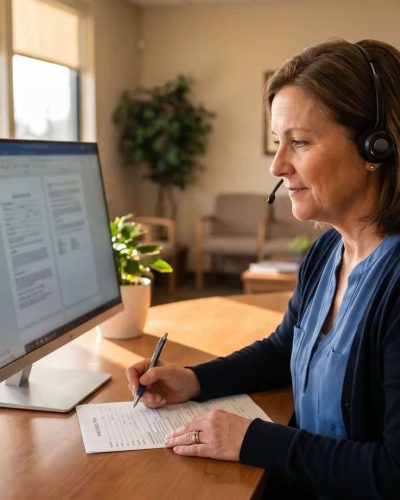
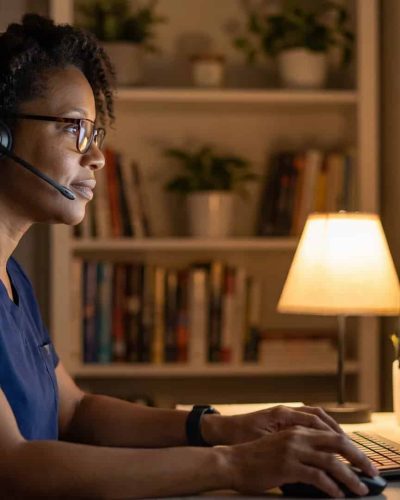
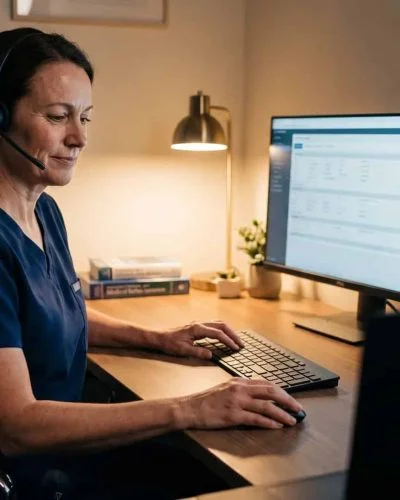
Customizing Care for Patient Populations with a Nurse Triage System

Patients today have more options than ever to receive care outside of their primary care – if they even have one. Having more options may seem like a good thing, however many times the consumer is confused about the best care to address their symptoms. In the process, they end up either over-utilizing services or underestimating serious medical symptoms, creating both a drain to the healthcare system as well as possible threat to their lives.

Read More »